
Ismaily After Relegation.. Can the Club Find Its Way Back?
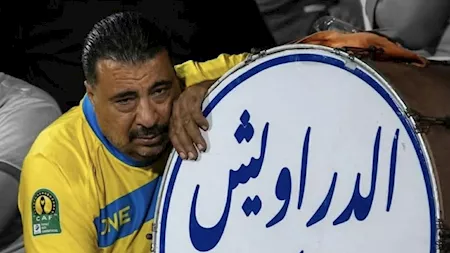
Ismaily SC is going through one of its toughest periods in recent years after the team’s relegation to the second division was confirmed. The crisis has reopened all internal files at the club, from management issues to transfers and technical planning, which has lacked stability for a long time.
Head coach Khaled Galal intensified the situation with strong statements, stressing that Ismaily remaining in this cycle threatens its historical status and also harms the overall strength of Egyptian football, given its position as one of the country’s most popular clubs.
A Long-Standing Crisis
Ismaily’s relegation was not a sudden event but the result of accumulated problems over several seasons. The squad has suffered from weak reinforcement, with the club failing to bring in impactful signings, while increasingly relying on young players who lacked the necessary experience for such a competitive level.
Over time, the situation worsened due to ongoing instability at both technical and administrative levels, which directly affected performances on the pitch and gradually pushed the team into a constant relegation battle that eventually ended in the drop.
A Clear Warning
Khaled Galal believes the crisis goes far beyond tactical issues, describing it as a full-system failure. He pointed out that the lack of support and development over several years is the main reason the club has reached this critical stage.
He also emphasized that losing a historically significant club like Ismaily is not just a loss for one team, but a blow to the entire Egyptian Premier League, which heavily depends on such traditional clubs for its popularity and excitement.
Management Position and Root Causes
On the other side, the committee in charge of running the club confirmed that it is still working to maintain stability, while keeping investment and partnership options open under conditions that protect the club’s rights and legacy. The final decision, however, remains with the general assembly.
As for the reasons behind the crisis, they are linked to a combination of factors, including weak transfer activity over recent years, overreliance on young players in key positions, continuous managerial and technical instability, and the absence of a clear long-term sporting project to develop the club sustainably.
The Road Back and an Open Future
Despite the difficult situation, a return remains possible if the coming phase is handled with a different mindset focused on real rebuilding. This would start with establishing a long-term sporting project that reshapes priorities, while strengthening the squad with experienced players alongside developing the youth academy as a consistent talent pipeline.
Technical stability, giving the coaching staff enough time to work, and activating structured investment inside the club could all make a significant difference in the rebuilding process—especially if the crisis is treated as an opportunity for reconstruction rather than just a setback.
Ismaily remains a historic club with a massive fanbase that cannot be ignored, but restoring its position will require bold decisions that rebuild the structure from within before thinking about competition again.
The final question remains: is this the beginning of a true correction, or another chapter in a continuing decline?