
Why Is Hossam Hassan Facing Strange Backlash Over Egypt’s World Cup Squad?
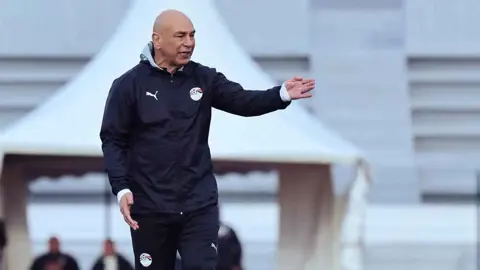
The announcement of Egypt’s squad ahead of the 2026 World Cup was not an ordinary event that passed quietly. It quickly turned into a storm of controversy, as if the national team had already entered its first real test before even stepping onto the World Cup stage. Hossam Hassan’s selections raised many questions and opened the door to widespread criticism, between those who believe the head coach miscalculated and others who feel the backlash has gone beyond normal criticism.
The bigger question here is not: why did Hossam Hassan exclude this player or include that one? Rather, it is: does he really deserve all this criticism before the experiment even begins?
Controversial Decisions
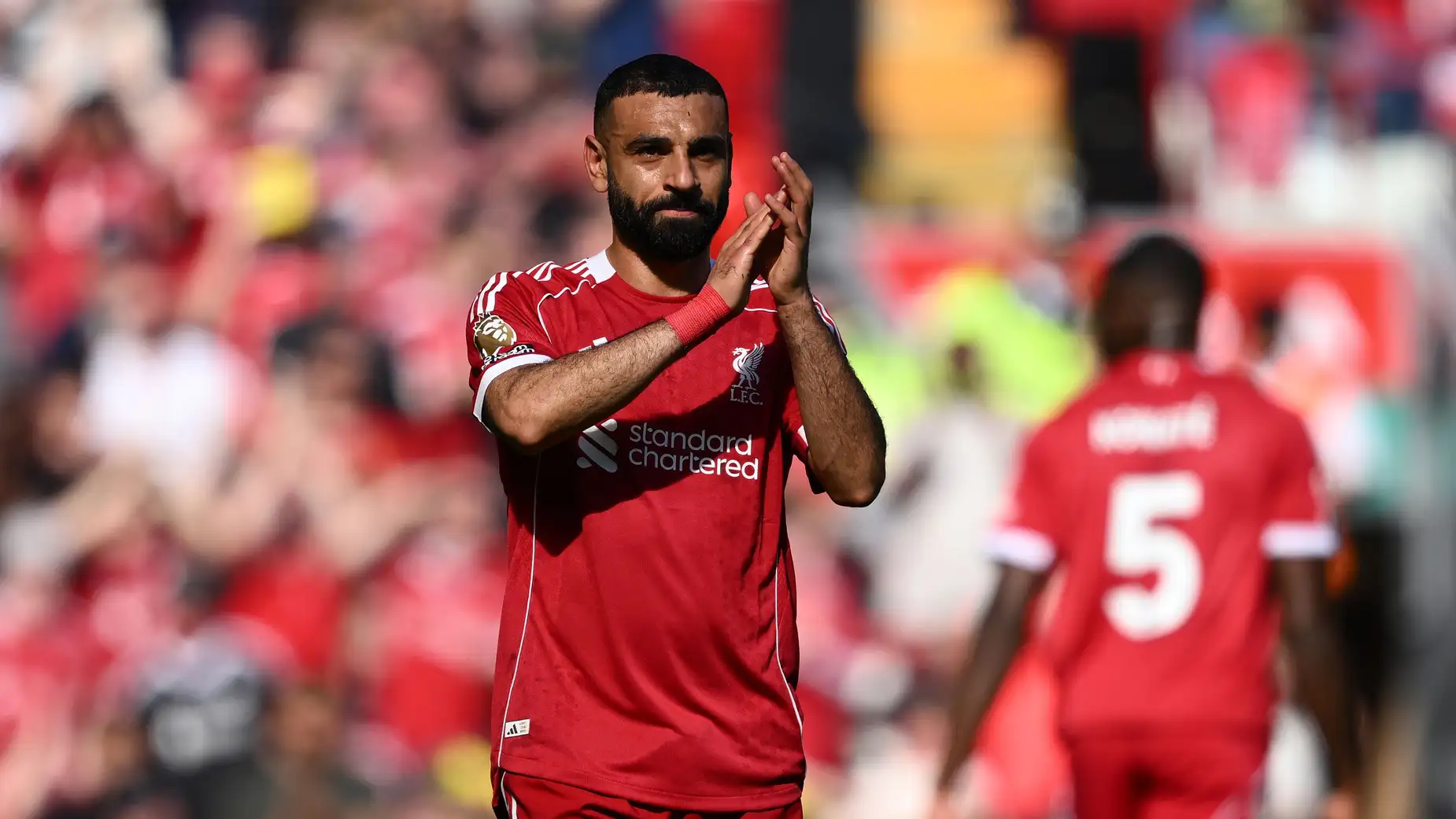
The biggest trigger for the crisis was the exclusion of major names, led by Mostafa Mohamed, in addition to the absence of players who had strong domestic seasons, such as Nasser Maher, Mohamed Shehata, and Mohamed Ismail. These choices were naturally surprising, especially as fans usually judge squads based on readiness, form, and the most prominent names of the season.
But international football is not always managed according to the fans’ logic. A coach does not necessarily pick the best 26 players individually; he selects the group he believes fits his ideas, playing style, and the nature of the upcoming stage. Hossam Hassan may believe that a less glamorous player serves his plan better than a talented player who does not suit the required role. The exclusion of a big name may also be a technical or disciplinary message, or an attempt to reshape the identity of the national team.
This does not mean his decisions are entirely correct, but it does mean they are not necessarily as random as some are trying to portray them.
Calling up four goalkeepers was also one of the points that drew criticism. On paper, the number seems large, especially as the final squad will later be reduced. But from another angle, the coaching staff may have wanted to expand the selection pool, test readiness, and settle the final goalkeeper hierarchy before confirming the last list. The decision is open to debate, but it alone does not deserve all this uproar.
As for relying on a large number of Al Ahly players despite the team finishing the league in a lower position than Zamalek, this is an understandable criticism from a fan perspective, but it is not a decisive technical criterion. A national team is not built solely according to club league standings. A player from Al Ahly, Zamalek, or Pyramids is not selected based on his club’s position, but according to his role in the national team, his experience, and his ability to execute what is required. Still, it was natural for the absence of some in-form Zamalek players to spark anger, especially after a strong season for the White Castle.
Criticism and Attack
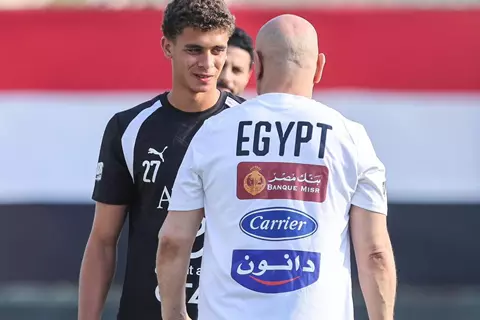
Hossam Hassan is not above criticism. On the contrary, his choices need clear technical discussion, because Egypt are heading to a World Cup, and the fans have every right to ask, judge, and debate. The exclusion of Mostafa Mohamed, for example, needs a convincing technical explanation, as does overlooking some domestic names who performed strongly.
The anger is understandable on some points, especially with Mostafa Mohamed’s exclusion and the presence of some surprising selections. But turning the squad into a fan battle between Al Ahly and Zamalek, or into a full-scale attack on Hossam Hassan, feels exaggerated, especially when some of the excluded names have not been at their best recently.
But the problem is that part of the reaction did not stop at analysis. It turned into questioning, pressure, and early attacks before the camp had even properly begun. This is where things become dangerous, because the national team needs mental and technical stability, not a daily battle over every name and every decision.
In the end, the coach will be judged by results and performances. If Egypt appear strong against Russia and Brazil, and if the new faces prove they can add something, the criticism will calm down. But if the team looks confused or suffers from the same old problems, then the backlash will become more justified, because the pitch will have exposed the reality of the selections.
Fairness requires us to say that Hossam Hassan deserves criticism, but he does not deserve early technical execution. Fans have the right to disagree with him, and the media has the right to discuss his decisions, but turning the squad into a major crisis before the real test may harm the national team more than help it.
The squad does contain clear question marks, yes. Some exclusions need explanation, yes. But at the same time, it is impossible to deliver a final verdict on Hossam Hassan’s project based only on a sheet of names. The real judgment will come through the team’s shape on the pitch: Is there character? Is there organization? Are there clear ideas? Does the team have alternatives and solutions? These are the questions that will determine whether the current criticism is premature or whether it was an accurate warning from the start.
In the end, Hossam Hassan now stands between two fires: the fans’ demand for the best names, and the technical responsibility that forces him to choose what he believes is suitable, even if it goes against public opinion. And if he has the right to choose, people have the right to ask. But there is a big difference between questioning and attacking, and between criticism and trying to destroy the experiment before it begins.
The national team does not need complete silence, nor does it need constant noise. It needs rational criticism, a coach who takes responsibility for his decisions, and players who prove on the pitch that the selection was not based on favoritism or an uncalculated gamble.