
Egypt's U-17s End 29-Year Wait With Bronze Medal Win Over Hosts Morocco
Copyright: EFA
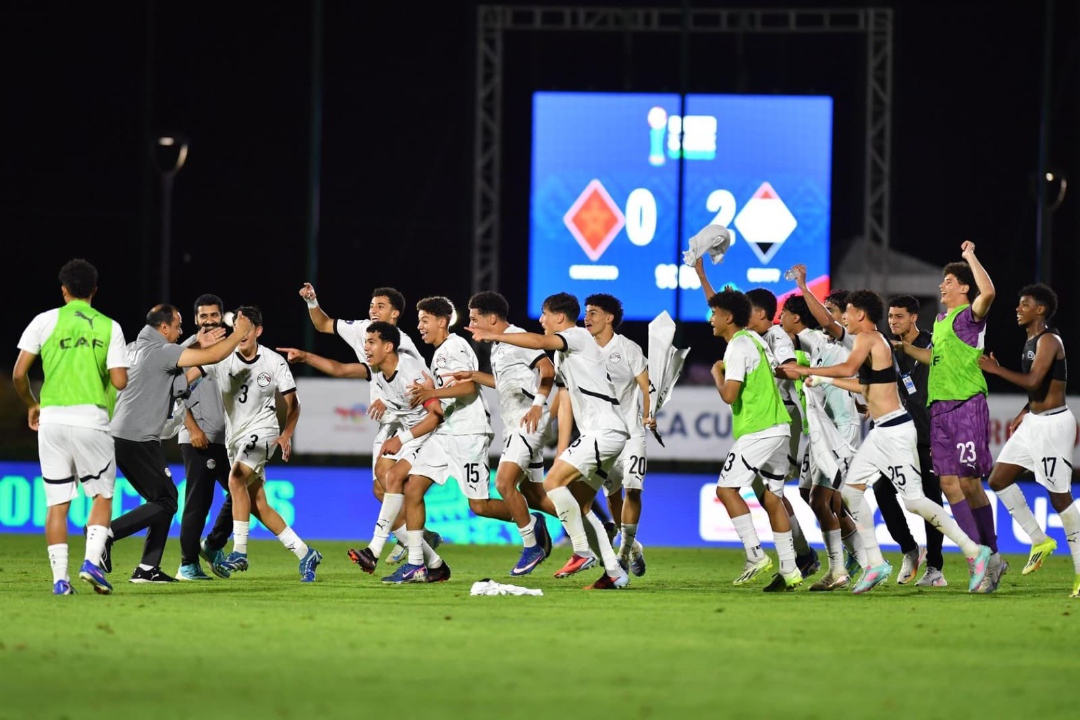
Egypt’s U-17 team’s bronze medal was not just another achievement added to the record books. It felt like a message of hope from a young generation, small in age but strong in character, that managed to bring Egyptian football back to the continental podium after an absence of nearly three decades.
On a night full of meaning, the young Pharaohs settled the third-place match against Morocco with a clean 2-0 victory, ending their Africa U-17 Cup of Nations campaign in a way that reflected the effort they had shown throughout the tournament. More importantly, they proved that missing out on the final did not break their ambition; it only made them more determined to leave Morocco with a historic medal.
A response against Morocco
Egypt entered the match knowing that facing Morocco was not just about third place. It was also a chance to write a strong ending after losing to the same opponent in the group stage. Despite the pressure from the hosts and their attempts to control the game, Egypt’s players handled the match with clear focus and strong defensive discipline, before Mohamed El Sayed “El Diesel” gave the young Pharaohs the lead with a crucial goal that changed the course of the match.
That goal was more than just an advantage on the scoreboard. It gave Egypt greater confidence and forced Morocco to push forward in search of an equalizer, opening spaces that the Egyptian players tried to exploit intelligently. As time passed, goalkeeper Mohamed Obaid emerged as one of the standout performers, making key saves and keeping a clean sheet at a decisive stage of the game.
In the final moments, Ahmed Bashir left his own mark by scoring the second goal in stoppage time, turning a difficult victory into a clear statement that Egypt deserved its place on the podium.
A new generation knocking on the door of the future
The value of this achievement goes beyond beating Morocco or finishing third. Its true importance lies in its historical meaning. This bronze medal is Egypt’s first medal in the Africa U-17 Cup of Nations in 29 years, and the country’s second-best achievement at this age level after winning the title in 1997.
Egypt’s journey through the tournament was far from easy. The team began with a draw against Ethiopia, then beat Tunisia, before losing to Morocco in the group stage. But the young Pharaohs came back strongly in the quarter-finals with a big win over Côte d’Ivoire, then missed out on the final after losing to Tanzania on penalties, before regaining their strength and defeating Morocco in the bronze-medal match.
This path shows that Egypt was not just a team chasing a one-off result. It was a group beginning to build a competitive identity, learning how to deal with pressure and how to rise again after setbacks. That is what makes this achievement even more important, especially with this generation already qualified for the U-17 World Cup, where a bigger test awaits on the global stage.
The Egyptian Football Association’s celebration of the achievement was understandable, not only because the team returned with a medal that had been absent for so long, but because this moment could mark the beginning of a real project if handled properly. Egyptian football does not only need short-term results; it needs generations capable of developing, growing, and eventually reaching the senior national team.
The U-17 bronze medal is not the end of the story. It may be its most important beginning. A young generation has brought Egypt back to the African podium and opened a new door of hope before the upcoming World Cup. The biggest question now remains: could this medal be the first step toward building a new generation capable of restoring Egyptian football’s continental and global presence?
Related News
Mbappé Left... So Why Is PSG Better Than Ever?
Egypt's Top Scorer Is Back on Al Ahly's Radar.. Will Ahmed Yasser Rayan Return?
After the Emotional Farewell, Could Slot's Sacking Bring Salah Back to Liverpool?
From Surprise Call-Up to Match Winner.. Ziko's Breakthrough Night Against Russia
3 Key Takeaways From Egypt's Win Over Russia Before the World Cup
MoreLatest News
The Rock Returns.. Wael Gomaa Set for Al Ahly Football Director Role
Salah Is Back as Egypt Prepare for Their Final World Cup Rehearsal Against Brazil
Mbappé Left... So Why Is PSG Better Than Ever?
Egypt's Top Scorer Is Back on Al Ahly's Radar.. Will Ahmed Yasser Rayan Return?
After the Emotional Farewell, Could Slot's Sacking Bring Salah Back to Liverpool?
More