.png)
Security Concerns Cost Somali Referee Omar Arten a Place at World Cup 2026
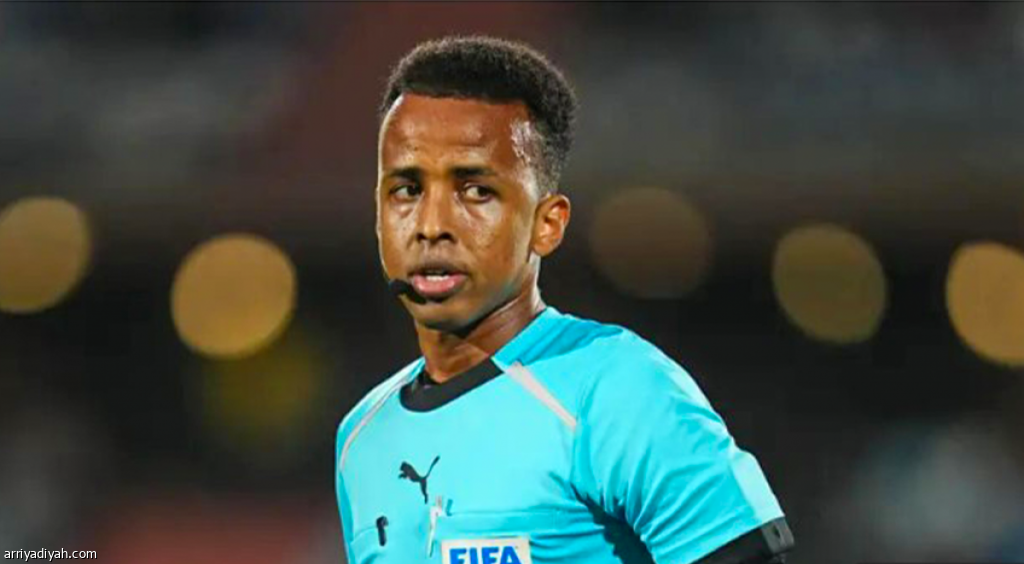
Somali referee Omar Abdulkadir Arten’s crisis began after U.S. authorities decided to deny him entry into the United States. Washington said the decision was made for security reasons, because of what it described as alleged links or connections with people suspected of ties to terrorist organizations. Because of this decision, the international referee found himself out of the 2026 FIFA World Cup, even though he was close to making history as the first Somali referee to officiate at the tournament.
The story was not just a normal airport procedure. It quickly became one of the most controversial issues before the start of the World Cup. Arten arrived at Miami Airport with a valid visa and travel documents. He was preparing to join the refereeing teams taking part in the tournament, before U.S. Customs and Border Protection officers stopped him and denied him entry into the country.
Reasons for the Ban and the American Account
According to reports, the Somali referee went through a long interrogation inside Miami Airport, before a final decision was made to deny him entry into the United States and send him out of the country. After a period of uncertainty, statements from the White House and U.S. officials said the decision came after a security review, and that authorities had found negative information related to alleged links with people suspected of connections to terrorist organizations.
Despite the seriousness of these allegations, they still represent the American account of the incident, especially as the Somali Football Federation has not announced that it received a full official explanation revealing all the details. For that reason, the case remained open from more than one side: a firm American security decision, and Somali concern over the lack of complete clarification.
The Somali government and the Somali Football Federation tried to intervene to save Arten’s participation in the tournament, through communication with U.S. authorities and FIFA. But these attempts did not succeed in changing the decision. In the end, FIFA confirmed that the referee would not be able to continue his preparations or take part in officiating World Cup matches, explaining that entry and visa decisions are the responsibility of the host country.

Arten’s exclusion was a strong blow to the referee himself and to Somali football as well. He was not an ordinary name in African refereeing, after receiving major recognition and being named Africa’s best referee. He also represented an important image of Somali sporting success on the international stage. That is why his absence from the World Cup was a moral loss, not just a change in the list of referees.
The crisis also came at a time when the United States is clearly tightening immigration and entry procedures. Because of that, Arten’s case moved beyond sport and opened a discussion about the effect of security and political decisions on a global tournament that is supposed to bring together teams, players, referees, officials, and fans from many countries around the world.
A Different Return to Mogadishu
Despite the harsh exclusion, the scene changed completely when Omar Arten returned to Somalia. His country welcomed him officially and publicly, with officials, sports figures, and fans raising the Somali flag, in a clear message of support for a referee who lost the chance to appear at the World Cup but did not lose his place among his people.

The reception in Mogadishu looked like moral compensation for a dream that stopped at Miami’s gate. While the United States closed the door on his World Cup participation, Somalia opened the door of appreciation for him and treated him as a national symbol, not just as a referee returning from a difficult experience.
Arten himself tried to deal with the situation calmly. He said that what happened was fate and called on Somalis not to lose hope. Although his words were few, they showed his desire to move past the crisis, especially because the lost opportunity was historic, not only for him but for Somali football as a whole.
Between the American account that speaks of security concerns and the Somali position that celebrated Arten as an honorable face of sport in the country, the story remains one of the most controversial scenes before the start of the 2026 FIFA World Cup. Omar Arten did not blow his whistle at the tournament, but he became present in the spotlight through a case that brought together sport, politics, and security, and ended with a major welcome in Mogadishu.
Related News
Who Is Younes Ibrahim, and What Are His Chances of Playing for Egypt?
Salah row: Can Hossam Hassan rebuild trust, or should he go?
From Early Substitution to ‘Egypt Doesn’t Depend on One Player’.. Has Hossam Hassan Been Too Harsh on Salah?
Anger or Artificial Turf? Salah’s Egypt Camp Exit Raises Questions Amid Reports He Could Miss South Africa
Did Hossam Hassan Get Salah Substitution Wrong? Egypt Captain’s Early Exit Sparks Debate
MoreLatest News
After Being Left Out Against Real Betis.. Hamza Abdelkarim Returns for PSG Showdown
Attacking Changes and Key Absences.. Zamalek’s Expected Lineup Against Petroleum Assiut
Egypt Qualify for 2027 Men’s Volleyball World Cup in Poland Through World Rankings
Egypt’s Omar Abou Taleb Assists Six Minutes Into Getafe Youth Debut Against Atlético Madrid
Egypt’s Aida Ahmed Wins Three Medals at Cyprus International Canoe and Kayak Event
More












.svg.png)
.svg.png)



.png)


.svg.png)
.svg.png)