
.png)
How Can Egypt Escape New Zealand’s Plan?

Egypt enter their match against New Zealand at the 2026 World Cup knowing that the game will not be as easy as it may look on paper. The Pharaohs are facing an organized team that plays directly and knows how to turn the match into a physical and tactical battle, away from long possession or stylish football.
New Zealand do not need to keep the ball for long periods to create danger. Their plan depends on closing spaces, defending as a compact unit, then moving the ball forward quickly, especially toward Chris Wood, the striker who acts as the main attacking focal point.
Wood’s Threat
New Zealand may start with a system close to 4-2-3-1, but defensively they can switch to a more cautious shape, aiming to limit spaces for Egypt’s players and stop them from reaching dangerous areas easily.
Chris Wood will be the main weapon in this plan. He does not only wait for crosses inside the box, but also moves to receive long balls, challenge defenders physically, and set up play for teammates arriving from behind.
That is why stopping Wood is not just about marking him inside the penalty area. Egypt must prevent the ball from reaching him in the first place. Pressing the ball carrier, closing passing lanes, and stopping crosses will all be key details to avoid turning the match into a battle of second balls and physical duels around Egypt’s box.
This is where the midfield battle becomes very important. It will not be enough for Egypt’s defenders to clear the first ball. The midfielders must stay close to the action, win the second balls, and stop New Zealand from building another attack.
Elijah Just: The Counterattacking Danger
The second major threat is Elijah Just. The winger was New Zealand's standout performer against Iran, scoring both goals in the 2-2 draw and showing exactly why Egypt cannot focus only on Chris Wood.
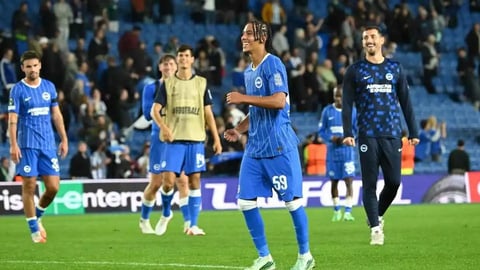
Just brings a different type of danger. While Wood is the focal point for long balls and aerial duels, Just thrives in open spaces. He is quick, direct, and dangerous when running at defenders, particularly during counterattacks.
That means Egypt must be careful when committing numbers forward. The full-backs will need support from the midfield, and defensive transitions must be sharp. Allowing Just space behind the defense could give New Zealand the kind of opportunities they are looking for.
Stopping Just is not only about individual defending. It requires collective organization, quick reactions after losing possession, and preventing New Zealand from launching fast transitions into open areas.
Road to Victory
On the other side, Egypt can break New Zealand’s plan if they play with calmness and speed at the same time. Attacking only through the middle will not be the best solution, because New Zealand are expected to crowd the central areas. Egypt must vary their play between the flanks and the middle.
Moving the ball quickly, exploiting the spaces between the full-back and center-back, and shooting from outside the box are all important solutions against a deep defensive block. An early goal could also change the shape of the match, as it would force New Zealand to leave their defensive areas and open up more spaces.
But most importantly, Egypt must not attack recklessly. Going forward is necessary, but it must come with clear defensive protection, because New Zealand will wait for any mistake or lost ball to use their favorite weapon: long balls and quick transitions.
In the end, the match will not be decided by names alone, but by small details. If Egypt manage to stop the long balls, win the second-ball battle, and use the wide areas well, they will be close to victory. But if they allow New Zealand to impose their physical rhythm, the game could turn into a difficult test.
New Zealand are not a frightening team, but they are an opponent that must not be underestimated. Egypt do not need a showy performance; they need a smart display that reads the trap before falling into it.
Related News
Who Is Younes Ibrahim, and What Are His Chances of Playing for Egypt?
Salah row: Can Hossam Hassan rebuild trust, or should he go?
From Early Substitution to ‘Egypt Doesn’t Depend on One Player’.. Has Hossam Hassan Been Too Harsh on Salah?
Anger or Artificial Turf? Salah’s Egypt Camp Exit Raises Questions Amid Reports He Could Miss South Africa
Did Hossam Hassan Get Salah Substitution Wrong? Egypt Captain’s Early Exit Sparks Debate
MoreLatest News
After Being Left Out Against Real Betis.. Hamza Abdelkarim Returns for PSG Showdown
Attacking Changes and Key Absences.. Zamalek’s Expected Lineup Against Petroleum Assiut
Egypt Qualify for 2027 Men’s Volleyball World Cup in Poland Through World Rankings
Egypt’s Omar Abou Taleb Assists Six Minutes Into Getafe Youth Debut Against Atlético Madrid
Egypt’s Aida Ahmed Wins Three Medals at Cyprus International Canoe and Kayak Event
More























.svg.png)
.svg.png)




.png)




.svg.png)


.svg.png)