
.png)

Collina Defends Egypt vs Argentina Officiating, Then Leaves Social Media Amid Backlash
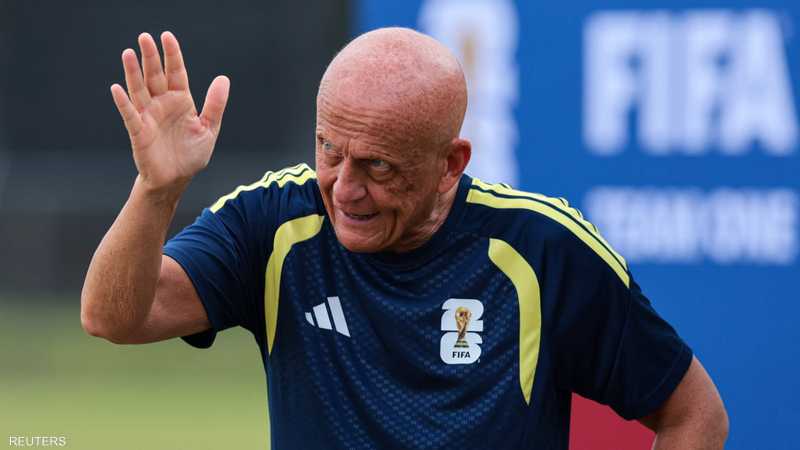
FIFA Referees Committee chairman Pierluigi Collina has defended the officiating in Egypt's World Cup defeat to Argentina after the match sparked widespread criticism online. The former Italian referee also deactivated his social media accounts following a wave of abuse directed at him after the game.
Collina also stressed that accusing referees of bias or manipulation not only damages the reputation of the tournament but can also expose match officials and their families to threats. He emphasized that every decision is made independently and strictly according to the Laws of the Game before explaining the key incidents that sparked debate in the Egypt–Argentina match.

Why Egypt's Goal Was Disallowed
The former Italian referee explained that Egypt's disallowed goal was not canceled because of the final phase of the move, but after a VAR review of the entire attacking possession. He noted that the Video Assistant Referee is allowed to review any foul committed during the attacking sequence if it directly influences the goal, regardless of how much time has passed before the ball reaches the net.
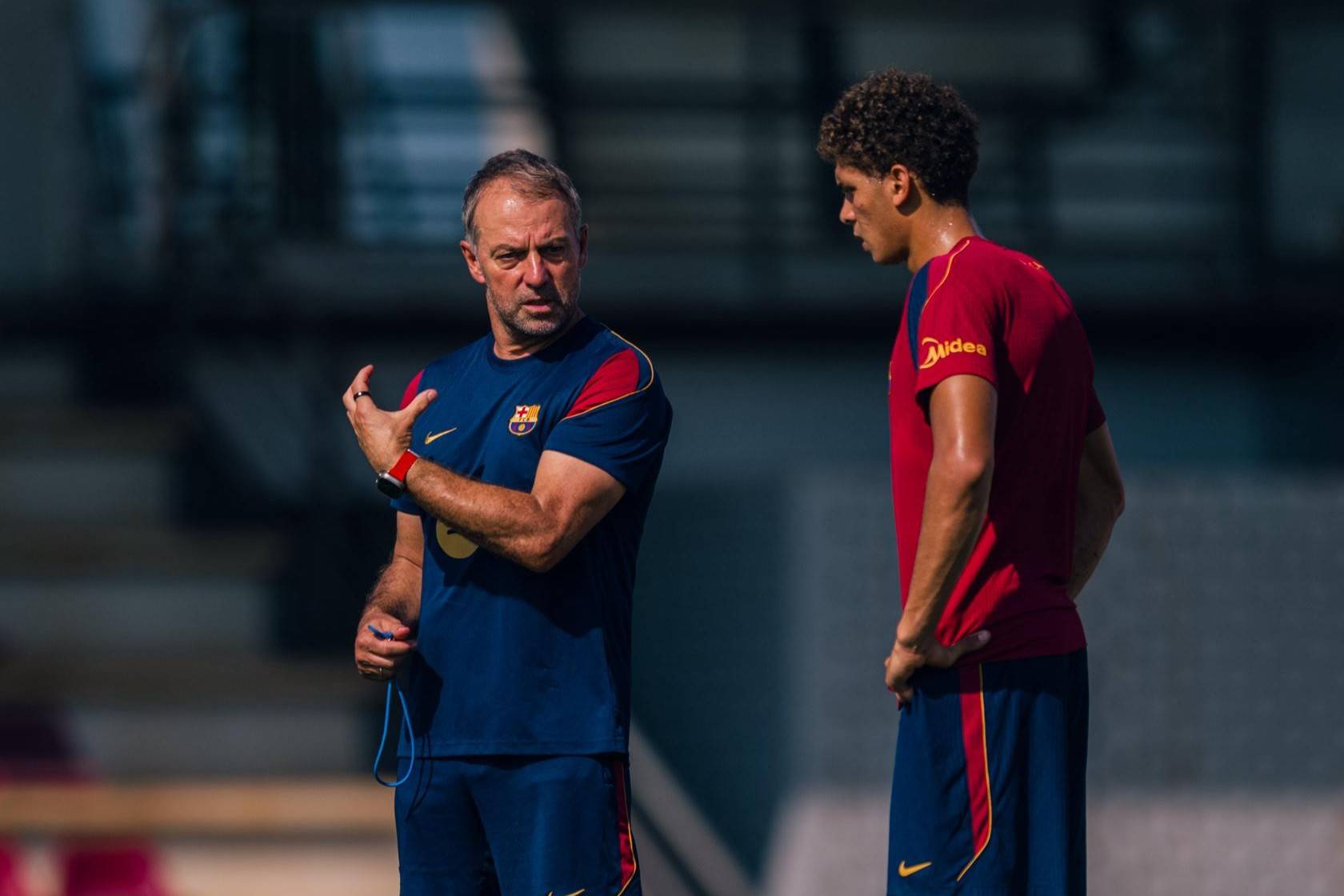
According to Collina, the review focused on Marwan Attia's challenge on Lisandro Martínez, stating that stepping on an opponent's foot is a clear foul and therefore justified the decision to disallow the goal.
The Truth About Salah's Penalty Appeal
Regarding Egypt's appeal for a late penalty involving Mohamed Salah, Collina explained that the officials concluded the Argentine defender touched the ball first and that the subsequent contact was considered normal football contact. As a result, neither the referee nor the VAR deemed it worthy of a penalty.
However, Collina did not address another controversial incident involving Hamdy Fathy, who appeared to have his shirt pulled inside the penalty area—a moment that drew strong protests from the Egyptian camp and remained one of the match's biggest talking points.
Collina concluded by expressing confidence in the overall standard of refereeing throughout the tournament, acknowledging that some decisions will always generate debate but insisting that every call is made in accordance with the Laws of the Game and without outside influence.
Related News
Who Is Younes Ibrahim, and What Are His Chances of Playing for Egypt?
Salah row: Can Hossam Hassan rebuild trust, or should he go?
From Early Substitution to ‘Egypt Doesn’t Depend on One Player’.. Has Hossam Hassan Been Too Harsh on Salah?
Anger or Artificial Turf? Salah’s Egypt Camp Exit Raises Questions Amid Reports He Could Miss South Africa
Did Hossam Hassan Get Salah Substitution Wrong? Egypt Captain’s Early Exit Sparks Debate
MoreLatest News
After Being Left Out Against Real Betis.. Hamza Abdelkarim Returns for PSG Showdown
Attacking Changes and Key Absences.. Zamalek’s Expected Lineup Against Petroleum Assiut
Egypt Qualify for 2027 Men’s Volleyball World Cup in Poland Through World Rankings
Egypt’s Omar Abou Taleb Assists Six Minutes Into Getafe Youth Debut Against Atlético Madrid
Egypt’s Aida Ahmed Wins Three Medals at Cyprus International Canoe and Kayak Event
More





























.svg.png)
.svg.png)




.png)




.svg.png)



.svg.png)