⚽
Loading Scores...
.png)
Mohamed Kamal Sacked as Egypt Women’s Coach After Three Heavy Defeats and Favouritism Claims
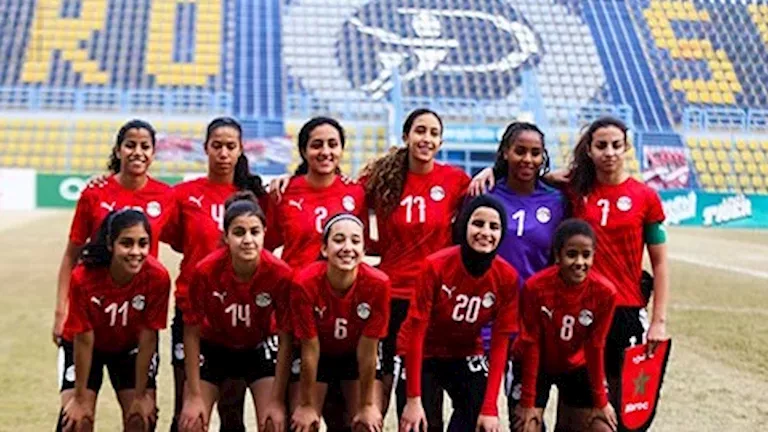
Egypt’s women’s national team’s exit from the 2026 Africa Cup of Nations was more than a disappointing tournament result. It developed into a wider crisis after criticism was directed at the head coach over allegations of favoritism in player selection, eventually leading to his resignation and opening the door to a new phase for Egyptian women’s football.
Egypt’s campaign ended on a disappointing note after the team suffered a heavy 6-0 defeat to Zambia before losing 3-1 to Malawi, effectively ending its hopes of advancing and turning an early exit into the defining headline of the campaign.
But the results were not the only source of concern.
The Exit Exposed a Bigger Problem
As Egypt’s results deteriorated, criticism intensified over the coaching staff’s selections and its handling of the squad, amid allegations that some players were being favored over others.
The debate consequently moved beyond the scorelines and raised broader questions about the criteria used to select players, whether those criteria were based primarily on sporting performance, and whether Egypt’s squad included the best available talent in women’s football.
As the criticism grew, the head coach resigned, leaving Egyptian women’s football facing a new phase in which simply appointing another coach may not be enough.
A Crisis That Goes Beyond One Tournament
The latest campaign added to Egypt’s difficult record in the Women’s Africa Cup of Nations.
Egypt had previously participated in the 1998 and 2016 editions without recording a single victory. Across those two tournaments, the team played six matches, losing five and drawing one, before its difficult run continued in the latest edition.
That record suggests that replacing the head coach alone will not solve the problem unless it is accompanied by a broader review of the women’s football system, from talent identification and youth development to the strength of domestic competitions and the criteria used to select national-team players.
The EFA Faces a Major Test
Following the resignation and the controversy surrounding the African campaign, the Egyptian Football Association moved toward a broader approach to developing women’s football.

The federation formed a committee including board members Walid Darwish and Enas Mazhar, alongside technical director Shawky Gharib, to work on a long-term strategy for the development of the game.
Such a strategy should extend beyond the senior national team. It should focus on expanding participation, identifying promising players at an early age and creating a clear development pathway toward the national teams.
The federation also has the opportunity to benefit from FIFA’s Talent Development Scheme, known as TDS, to establish a more structured approach to identifying and developing promising players through technical and scientific methods.
From a Coaching Crisis to Rebuilding
The head coach’s resignation may have closed one chapter of the crisis, but it has not answered all the questions raised by Egypt’s African campaign.
The national team first needs to rebuild trust among players, coaches and supporters. That requires clear and transparent selection criteria, with national-team opportunities based on performance and the ability to contribute to the team.
Simply changing the coach could instead reproduce the same problems under a different name.
The Egyptian Football Association can take a different path by turning the painful African exit into the starting point of a genuine rebuilding process, beginning with youth development and emerging talent and extending to domestic competitions and a clear long-term program for the senior national team.
Egyptian women’s football does not need a temporary solution until the next tournament. It needs a long-term project capable of strengthening its talent pool, improving the quality of competition and giving the national team the tools to compete with Africa’s strongest sides.
Ultimately, the real challenge is not simply avoiding another early exit. It is building a sustainable system capable of producing a competitive Egyptian women’s national team and restoring Egypt’s place among Africa’s leading football nations.
Related News
Haissem Hassan Dazzles Celtic Fans, but Is Match Fitness the Final Hurdle?
After Two Costly Defeats, What Does Egypt Basketball Need to Reach the 2027 World Cup?
Hamza Abdelkarim’s Barcelona Absence: Could Contract Talks Be Delaying His Debut?
Egyptian League Is Africa’s Strongest, but Ahmed Diab’s Middle East No. 1 Claim Lacks Evidence
Chinese President’s Visit Behind Al Ahly–Smouha Date Change? Cairo Stadium Mystery on September 1–2
MoreLatest News
Amouta: Emam Ashour May Need 3–4 Friendlies but Could Return Before International Break
Trabzonspor Add €17m Guinea-Bissau Striker Franculino Djú to Mohamed Salah’s Attack
Zamalek Defender Mahmoud Hamdy El Wensh Nears Egypt Return After Four Years Away
After Sweeping Rwanda 3-0, Egypt Women’s Volleyball Reach 2027 World Championship and Face Kenya for Olympic Berth
Omar Fayed Scores Shootout Penalty on Frosinone Debut as Team Bow Out of Coppa Italia
More.png)




.svg.png)