⚽
Loading Scores...
.png)

Potential Partnership Between Traditional Clubs and Company Teams… What Would It Mean for Egyptian Football?
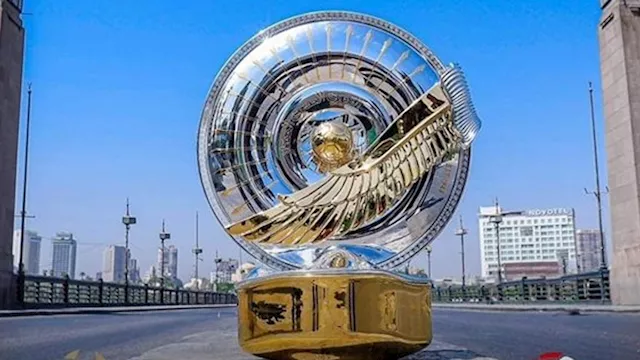
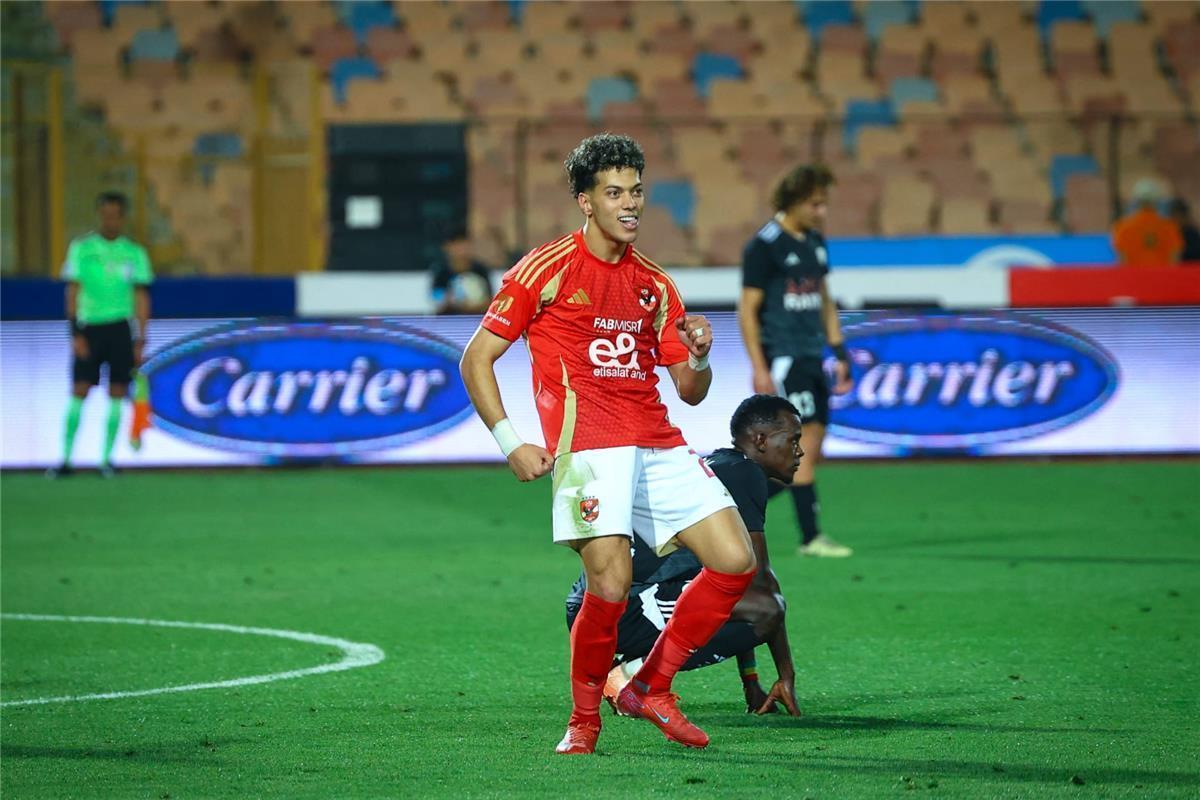
The proposed merger project involving Egyptian clubs is moving closer to implementation after discussions around it expanded and the idea shifted from a general proposal to a serious step aimed at reshaping the competitive map of the Egyptian league in the coming period. This direction comes at a time when a number of traditional fan-based clubs are suffering from financial and administrative crises, while investment-backed clubs continue to rise with greater stability and stronger development capacity.
The core idea of the project is to create a structure that brings together popular clubs with history and fan bases and investment clubs or entities with financial and administrative power in order to give those traditional teams a new chance to return to competition in a stronger position. The project is not being driven only by financial rescue but is also linked to attempts to restore fan presence, increase the league’s commercial value, and rebalance the relationship between community-supported clubs and company-backed teams.
Closer to implementation
Current indications suggest that the idea is no longer far from being put into practice, especially with advanced discussions involving a number of clubs that are candidates to enter this new model. The current phase appears focused on settling the final form of the project, whether through direct merger or through the creation of football companies and administrative and financial partnerships that preserve the fan-based club’s name, identity, and history.
This move toward implementation reflects a clear desire not to postpone the issue any longer, especially as the need grows for practical solutions that can rescue some clubs from continued decline and give them a real chance to return to competition rather than remain trapped in ongoing crises.

Goals and challenges
The project is aiming for more than one gain at the same time. On one hand, it could provide fan-based clubs with financial and administrative backing that may help them restore balance. On the other hand, it could affect the shape of the league itself by increasing fan attendance and raising the level of competition between teams, instead of allowing the current gap to continue between clubs that enjoy stability and others that struggle just to survive.
Even so, the project still faces challenges, most notably the need for a clear regulatory framework and guarantees that the identity, history, and local connection of traditional clubs will not be harmed. This point appears particularly sensitive, because the success of any such move will depend not only on financial support but also on its ability to preserve the spirit of the original club rather than turn it into a new entity without roots.
In the end, Egyptian football seems to be standing at the edge of a different phase, one defined by the search for a formula that combines history with investment. If the project comes to life in a way that achieves the required balance, it could mark the beginning of a major shift that returns some historic clubs to their natural place in the competition.
Related News
Haissem Hassan Dazzles Celtic Fans, but Is Match Fitness the Final Hurdle?
After Two Costly Defeats, What Does Egypt Basketball Need to Reach the 2027 World Cup?
Hamza Abdelkarim’s Barcelona Absence: Could Contract Talks Be Delaying His Debut?
Egyptian League Is Africa’s Strongest, but Ahmed Diab’s Middle East No. 1 Claim Lacks Evidence
Chinese President’s Visit Behind Al Ahly–Smouha Date Change? Cairo Stadium Mystery on September 1–2
MoreLatest News
Amouta: Emam Ashour May Need 3–4 Friendlies but Could Return Before International Break
Trabzonspor Add €17m Guinea-Bissau Striker Franculino Djú to Mohamed Salah’s Attack
Zamalek Defender Mahmoud Hamdy El Wensh Nears Egypt Return After Four Years Away
After Sweeping Rwanda 3-0, Egypt Women’s Volleyball Reach 2027 World Championship and Face Kenya for Olympic Berth
Omar Fayed Scores Shootout Penalty on Frosinone Debut as Team Bow Out of Coppa Italia
More.png)








.svg.png)

.svg.png)








.svg.png)