
.png)

Between a World Cup Dream and Job Security: Why Hussein Abdel Latif Nearly Left Egypt
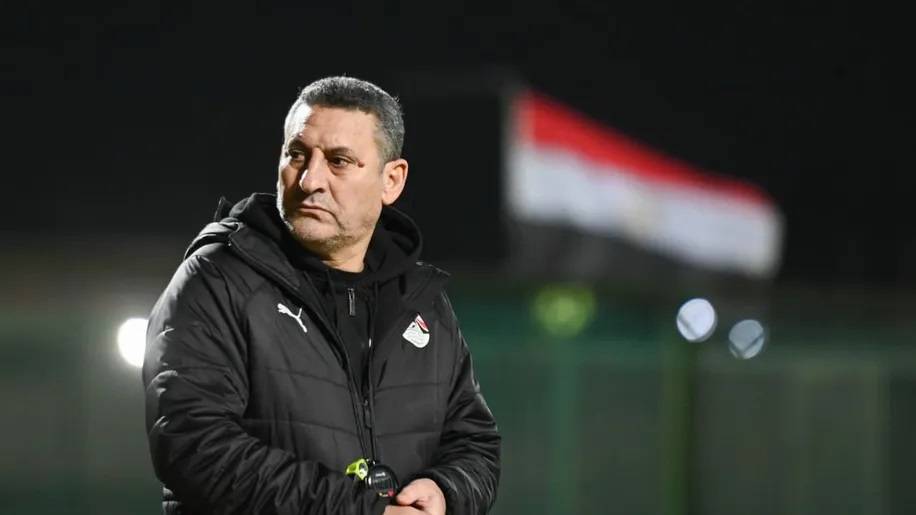
Hussein Abdel Latif’s future is no longer simply a matter of a coach choosing between two offers. It has become a broader test of what it means to manage a national team, where the line should be drawn between professional ambition and commitment to the national shirt, and whether success with Egypt should be viewed as a long-term project or merely a stepping stone toward a more lucrative opportunity.
Abdel Latif, head coach of Egypt’s youth national team, found himself facing a difficult decision ahead of the Pharaohs’ participation in the 2026 World Cup in Qatar. On one side stood Egypt and the global tournament, a major opportunity for a coach to prove himself on the biggest stage. On the other was an attractive offer from Libya, which Ahmed Shobier described as financially far more rewarding than Abdel Latif’s current position with Egypt.
Egypt or Libya.. A Decision Beyond the World Cup
The real issue surrounding Abdel Latif’s situation is not limited to the present. It is also about what comes after the World Cup. According to Shobier’s account, Abdel Latif had already moved toward leaving his position after receiving the Libyan offer, which represented a major financial and professional opportunity. However, the timing of the Libyan job conflicted with the World Cup, and after meetings with Shawky Gharib and Hany Abou Rida, the coach ultimately decided to remain with Egypt and lead the team in the tournament.
That raises the key question: Was Abdel Latif’s decision simply about preserving his World Cup opportunity, or does it reflect a belief that staying with Egypt could provide greater long-term value?
There is no definitive answer yet. What is clear, however, is that the World Cup could become a turning point in the coach’s career. A strong performance in such a major tournament could significantly increase his market value, whether he chooses to remain within the Egyptian national-team structure or eventually pursue an overseas opportunity.
The Libyan Offer and the Value of the National Shirt
Shobier’s criticism was built around a different principle: working for a national team should not be treated exactly like working for a club. From his perspective, Egypt provided Abdel Latif with the opportunity to return to the spotlight and reach the World Cup, making the decision to leave immediately after receiving a lucrative offer a matter worthy of criticism.
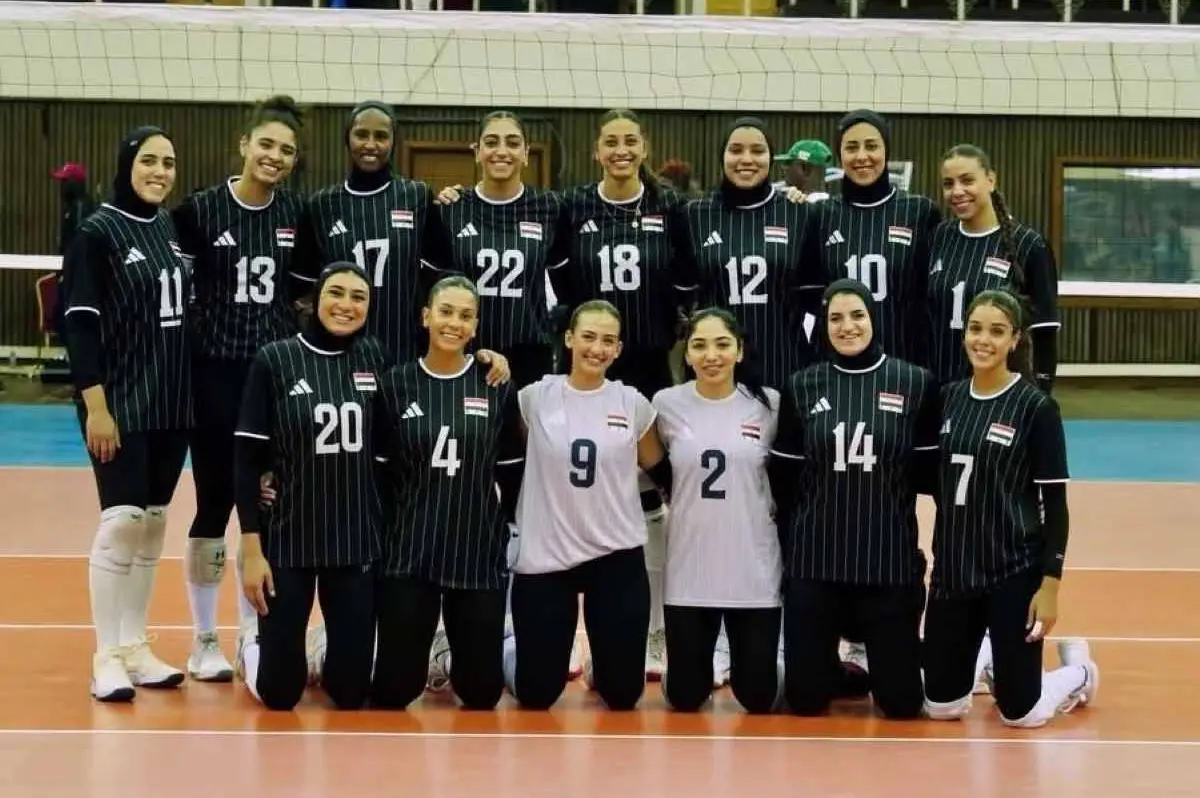

But there is another side to the argument. A coach has the right to consider his career and financial future, especially when an overseas offer is significantly more valuable financially. The real problem, therefore, is not the existence of the Libyan offer itself, but whether the contractual relationship was strong enough to regulate such situations from the beginning.
That is why Shobier’s suggestion of a clear penalty clause may be more important than the personal dispute. A properly designed contract could protect both the Egyptian Football Association and the coach, establishing clear conditions for departure instead of turning every new offer into a public controversy.
Ultimately, Hussein Abdel Latif’s biggest battle may not be with Libya at all. It is with the future he wants to build for himself.
The financial temptation of the Libyan offer may be substantial, but the World Cup offers something equally valuable: the chance to establish a reputation that could make even bigger opportunities possible.
If Abdel Latif succeeds with Egypt, he may no longer have to choose between an Egyptian position and a Libyan offer. A successful World Cup campaign could open doors to opportunities far beyond both.








.svg.png)



.svg.png)