.png)
64-Team World Cup in 2030? What FIFA's Proposal Could Mean and Who Stands to Benefit
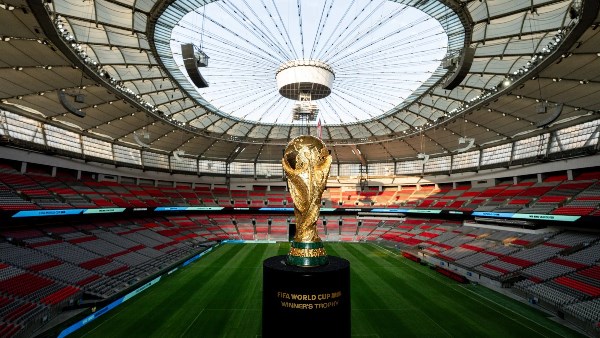
Although the 2030 FIFA World Cup is currently set to be played with 48 teams, FIFA is studying a proposal that could reshape the tournament by expanding it to 64 teams.
For now, the idea remains just a proposal. FIFA President Gianni Infantino has confirmed that the governing body will evaluate it after the conclusion of the 2026 World Cup before making any decision.
Why is FIFA considering 64 teams?
The timing is no coincidence. The 2030 World Cup will mark the tournament's 100th anniversary, and FIFA believes it presents an opportunity to make football's biggest event even more global by allowing more nations to participate.
Supporters of the proposal argue that football has become far more competitive across every continent than it was decades ago. More national teams are capable of competing at the highest level, and expanding the tournament would give emerging football nations a realistic opportunity to experience the World Cup. They also believe it would help grow the sport worldwide while creating greater commercial opportunities through more matches, larger audiences and increased broadcasting revenue.

Why are many people against the idea?
The proposal has also attracted significant criticism. Many believe that expanding the World Cup again could reduce the prestige of qualification, which has traditionally been one of football's greatest achievements. Others worry about the growing number of matches, increased demands on players and an already crowded international calendar.
What could it mean for Egypt?
For Egypt, a 64-team World Cup could potentially improve the national team's chances of qualifying, particularly if Africa receives additional qualification places should the proposal be approved. However, FIFA has not announced how any extra spots would be distributed, meaning any discussion about the exact allocation for each confederation remains speculative.
The tournament itself would also require a different format. A 64-team competition would likely feature 16 groups of four teams, with the top two progressing to a Round of 32 before the traditional knockout stages continue, if the proposal is ultimately adopted.
Whether FIFA approves the proposal or not, the discussion reflects the direction modern football is taking. The challenge for the governing body will be finding the right balance between making the World Cup more inclusive while preserving the prestige and competitiveness that have made it the biggest sporting event in football for nearly a century.
Related News
Amouta Facing Criticism and Pressure at Al Ahly.. What Has Changed and What Is Still Missing?
Haissem Hassan Dazzles Celtic Fans, but Is Match Fitness the Final Hurdle?
After Two Costly Defeats, What Does Egypt Basketball Need to Reach the 2027 World Cup?
Hamza Abdelkarim’s Barcelona Absence: Could Contract Talks Be Delaying His Debut?
Egyptian League Is Africa’s Strongest, but Ahmed Diab’s Middle East No. 1 Claim Lacks Evidence
MoreLatest News
Al Ahly Escalate Amr Zahran Punishment With Six-Month Ban and 50% Salary Deduction
Strong Start Despite Red Card.. Egypt U20s Beat Libya and Go Top of North African Qualifiers
Salah and Marmoush Lead the Attack.. Egypt’s Expected Lineup Against Angola in AFCON Qualifying Opener
Amid Defensive Injuries, Omar Fayed Rises in Egypt Plans as Haissem Hassan Is Monitored
Cairo Stadium Halts Club Matches Until Al Ahly-Zamalek Derby as Capital Cup Fixtures Move
More.png)