.png)
Pressure Mounts on Infantino as Senior FIFA Adviser Resigns Over Investment Plan
A proposal by the International Federation of Association Football (FIFA) to restructure its commercial rights has developed into one of the organization’s most significant crises in recent years. The resignation of Carlos Cordeiro, a senior adviser to FIFA President Gianni Infantino, has triggered a new wave of opposition to the controversial plan, amid growing political and sporting pressure on the FIFA chief.
The issue is no longer merely an internal administrative dispute. It has evolved into a broader confrontation with major continental football bodies, as concerns grow that the proposal could reshape the way the World Cup is managed and open the door to private investment in one of the most valuable assets in global sport.
A Resignation That Shakes FIFA
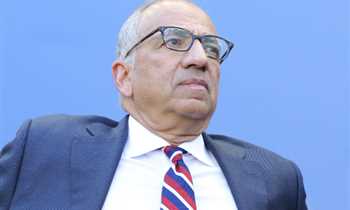
Carlos Cordeiro, who served as a senior adviser to Infantino for five years, announced his resignation in protest against a proposal to establish a new commercial entity responsible for managing FIFA’s commercial rights and major events.
Cordeiro stated that he played no role in developing the proposal and strongly opposed the idea of allowing private investors to acquire stakes linked to the future of the World Cup. He argued that the plan would not serve FIFA’s member associations and could have long-term consequences for the game.
The former adviser also questioned the financial need for such a move, noting that FIFA holds substantial financial reserves, carries no debt, and has generated significant revenues during the latest financial cycle.
Cordeiro believes FIFA already has the financial capacity to support football development without granting outside investors stakes connected to assets whose value continues to grow over time.
His resignation carries particular weight due to his close relationship with Infantino, his extensive financial background, and his previous role as president of the United States Soccer Federation.
Infantino Under Pressure
The controversy centers on a proposal to establish a commercial company named FIFA Forward Enterprise, reportedly valued at around $20 billion. The plan would allow private investors to acquire minority, non-controlling stakes in the entity.
According to FIFA’s vision, the project is intended to strengthen the organization’s investment capabilities and generate additional resources to support the development of football. However, critics fear it could mark the beginning of the commercialization of World Cup-related rights or tie the future of the tournament to investors’ financial interests.
The Union of European Football Associations (UEFA) has led the opposition, with all 55 European member associations presenting a united position and warning of a possible boycott of FIFA competitions if the proposal moves forward in its current form.
The opposition has also spread to the Confederation of North, Central America and Caribbean Association Football (CONCACAF) and the Asian Football Confederation (AFC), while the Confederation of African Football (CAF) has announced that its Executive Committee will review the initiative.
Pressure intensified after British Prime Minister Andy Burnham criticized the proposal, arguing that the very idea of creating a company linked to the World Cup raises serious questions about FIFA’s leadership and places Infantino under increasing scrutiny.
FIFA, however, has rejected claims that the World Cup is being sold or that football is being privatized, insisting that the proposal does not involve giving up control of the tournament.
The governing body said consultations are still ongoing and that every member association will have the opportunity to express its views before any final decision is made. FIFA also stressed that football is not for sale.
Nevertheless, those assurances have so far failed to ease concerns, particularly as opposition from continental federations continues and one of Infantino’s closest advisers has stepped down.
With resistance growing and boycott threats remaining on the table, the FIFA president now faces one of the most difficult crises of his tenure. The coming period may determine whether Infantino can convince football’s major powers that the project is designed to develop the game rather than alter the ownership structure surrounding its most prestigious competitions.
Related News
Amouta Facing Criticism and Pressure at Al Ahly.. What Has Changed and What Is Still Missing?
Haissem Hassan Dazzles Celtic Fans, but Is Match Fitness the Final Hurdle?
After Two Costly Defeats, What Does Egypt Basketball Need to Reach the 2027 World Cup?
Hamza Abdelkarim’s Barcelona Absence: Could Contract Talks Be Delaying His Debut?
Egyptian League Is Africa’s Strongest, but Ahmed Diab’s Middle East No. 1 Claim Lacks Evidence
MoreLatest News
Al Ahly Escalate Amr Zahran Punishment With Six-Month Ban and 50% Salary Deduction
Strong Start Despite Red Card.. Egypt U20s Beat Libya and Go Top of North African Qualifiers
Salah and Marmoush Lead the Attack.. Egypt’s Expected Lineup Against Angola in AFCON Qualifying Opener
Amid Defensive Injuries, Omar Fayed Rises in Egypt Plans as Haissem Hassan Is Monitored
Cairo Stadium Halts Club Matches Until Al Ahly-Zamalek Derby as Capital Cup Fixtures Move
More
.png)