
.png)

Betting Ads in Stadiums: A Legal Gap Threatening Egypt’s Youth

In recent months, betting advertisements have become increasingly visible across Egyptian stadiums, raising serious questions about how such promotions are appearing despite clear legal prohibitions. This contradiction between legislation and on-the-ground reality not only highlights a regulatory gap, but also points to a broader issue with enforcement that could directly influence the behavior and perceptions of young audiences.
Betting Ads Inside Stadiums
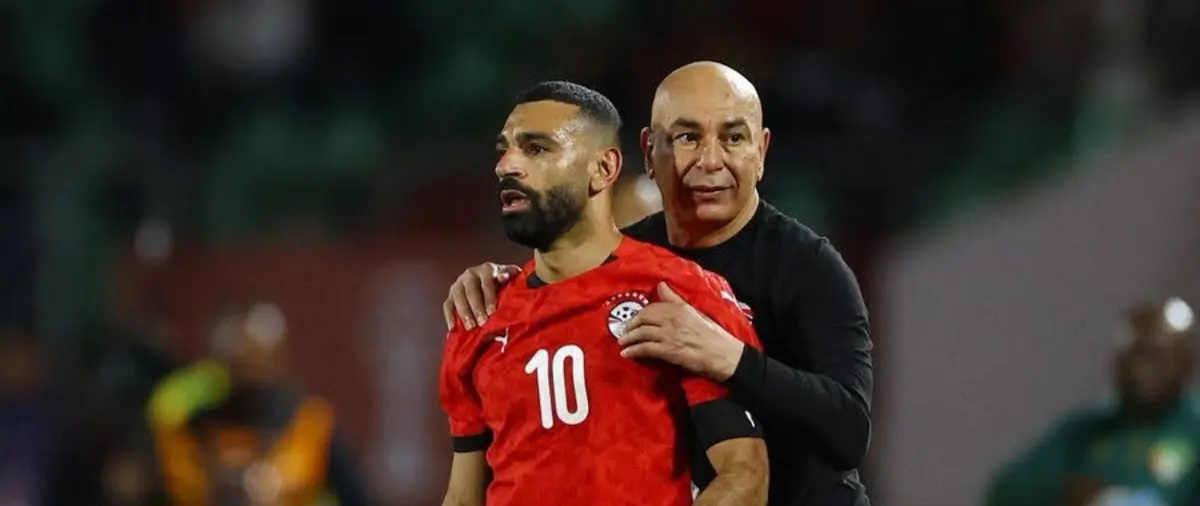
What was once a marginal presence has evolved into a noticeable feature of matchday environments. Betting platforms are now promoted through pitch-side boards and indirect sponsorship formats, embedding themselves within the visual landscape of domestic football.
The concern extends beyond the ads themselves to the context in which they are presented. When betting promotions appear within official sporting events, they can carry an implied legitimacy. For younger viewers in particular, repeated exposure in this setting may blur the line between what is legally prohibited and what appears socially accepted.
A Gap Between Law and Enforcement
On paper, Egyptian law clearly criminalizes gambling and betting activities. In practice, however, enforcement appears inconsistent. Part of the challenge lies in the nature of these platforms, many of which operate from outside the country, making direct regulation more difficult.
Even so, the presence of these advertisements within stadiums raises important questions about how they are being approved and displayed. Their visibility suggests that advertising pathways may not be subject to sufficient scrutiny, or that existing oversight mechanisms are not being fully applied. This shifts the issue from isolated violations to a structural gap in regulation.

Impact on Youth and Society
Repeated exposure to betting-related content risks gradually reshaping how young people perceive such activities. Without parallel awareness efforts, what is legally prohibited may begin to appear as a normalized form of entertainment. This shift carries potential social and economic consequences, particularly for more vulnerable groups.
There is also a broader contradiction at play. Sport is often positioned as a space that promotes discipline, fairness, and positive values. The growing presence of betting advertisements within this environment risks undermining that image and weakening the educational role that sport can play.
What Needs to Change?
Addressing the issue requires more than reaffirming legal prohibitions. It calls for more effective oversight of advertising content within stadiums, closer examination of sponsorship and commercial agreements, and a stronger emphasis on public awareness around the risks associated with betting.
Without a more comprehensive response, the gap between law and practice is likely to persist. As long as these advertisements remain visible in high-profile sporting contexts, their influence may continue to expand, particularly among younger audiences.
Related News
Anger or Artificial Turf? Salah’s Egypt Camp Exit Raises Questions Amid Reports He Could Miss South Africa
Did Hossam Hassan Get Salah Substitution Wrong? Egypt Captain’s Early Exit Sparks Debate
Amouta Facing Criticism and Pressure at Al Ahly.. What Has Changed and What Is Still Missing?
Haissem Hassan Dazzles Celtic Fans, but Is Match Fitness the Final Hurdle?
After Two Costly Defeats, What Does Egypt Basketball Need to Reach the 2027 World Cup?
MoreLatest News
Al Ahly Beat Zamalek in Egyptian Handball Derby to Claim Club World Bronze
After Suffering a Thigh Bruise.. Latest Updates on Ahmed Fattouh’s Condition Ahead of Al Ahly Clash
Trabzonspor President Among Hundreds Referred in Turkish Betting Probe, Denies Deliberate Wrongdoing
Portuguese Reports: Ronaldo Leaves Portugal Camp and Rules Out Return
Manchester City Found Guilty in Historic Financial Case as Club Prepares Appea
More

















.png)


.png)