

Financial Concerns Force CAF to Reverse Decision as AFCON Returns to Two-Year Format
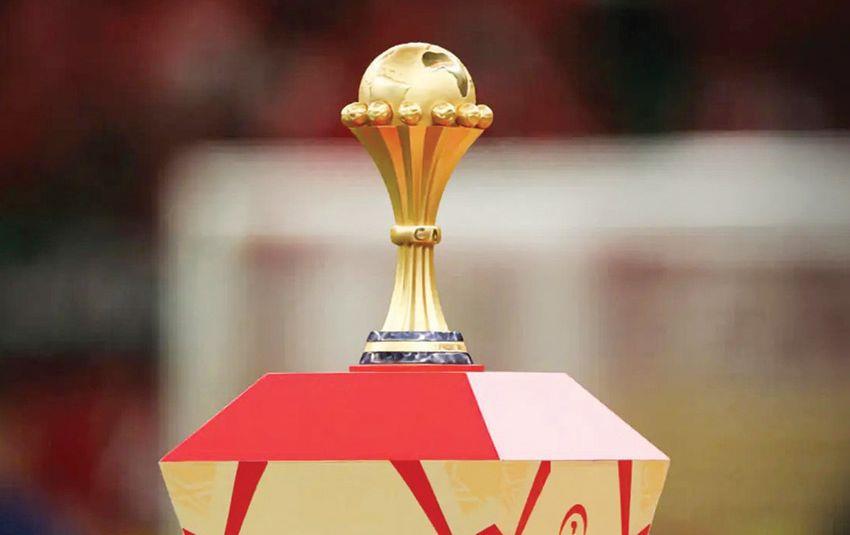
The Confederation of African Football (CAF) has officially ended the debate over the future of the Africa Cup of Nations (AFCON), announcing that the tournament will continue to take place every two years instead of moving to a four-year cycle.
The decision came after a full review by CAF's Executive Committee, led by president Patrice Motsepe.
Committee members unanimously agreed to return to the traditional two-year format to protect African football's interests and maintain financial stability.
The move is an important development for African football, as AFCON remains the continent's biggest national team competition.
The tournament attracts millions of fans and generates significant revenue that helps support football development across Africa.
Why Did CAF Reverse Its Decision?
The decision followed financial concerns about the proposed African Nations League, a new competition CAF had planned to introduce as part of a wider project to develop international football across the continent.
Under the earlier proposal, AFCON would have moved to a four-year schedule, while the new competition would have played a major role in the international calendar.
However, CAF's review showed that the African Nations League could take several years to generate enough revenue from broadcasting rights, sponsorship deals, and advertising.
As a result, CAF believes keeping AFCON every two years is the best way to protect existing revenue and continue supporting its 54 member associations.
Motsepe had previously announced during CAF's strategy meetings in Cape Verde, held from October 7 to 9, that the Executive Committee would review the decision to move the tournament to a four-year cycle.
The final decision also followed discussions about the competition's future and the views of national football associations, with support for maintaining the tournament's traditional schedule.
Motsepe explained that the decision aims to protect African football, support national associations, and consider the interests of African players competing for clubs outside the continent.


He also highlighted that AFCON represents much more than football, describing it as a celebration of African cultures, traditions, and communities that brings together millions of supporters across the world.
When Will the Next AFCON Tournaments Take Place?
CAF confirmed that the next Africa Cup of Nations will take place in 2027, with Kenya, Tanzania, and Uganda jointly hosting the competition.
Motsepe also announced that the following AFCON editions are scheduled for 2028, 2031, and 2033.
Although CAF has returned to the two-year format, the announced schedule includes different gaps between some editions due to international calendar arrangements and the need to avoid conflicts with major global tournaments.
The CAF president explained that there will be no AFCON tournament in 2030 because the FIFA World Cup will take place that year.
According to Motsepe, the decision follows FIFA's traditional approach of avoiding major continental national team competitions during World Cup years.
CAF is also expected to review several organizational matters related to future hosting arrangements, especially after previously opening the bidding process under the proposed four-year format.
The decision is particularly important for Africa's leading national teams, including Egypt, which holds the record for the most AFCON titles with seven championships.
Keeping the tournament every two years will allow African teams to compete regularly for the continental trophy while giving emerging players more opportunities to gain international experience.
However, CAF will still face challenges in balancing the tournament's schedule with the demands placed on professional players, particularly those competing in European leagues.
By reversing its earlier decision, CAF has chosen to protect the traditional structure of its most important national team competition, confirming that AFCON's financial strength and popularity remain central to the future of African football.
Related News
Haissem Hassan Shines for Celtic: Why Doesn’t O’Neill Start Him More Often?
What Sundowns’ Shock Exit Could Mean for Al Ahly’s 2029 Club World Cup Hopes
Al Qanah’s Modi Shalata Shines Against Al Ahly: Could Hossam Hassan Give Him an Egypt Chance?
Six Coaches Gone in Seven Rounds: Why Egyptian Clubs Keep Changing Managers
Who Is Younes Ibrahim, and What Are His Chances of Playing for Egypt?
MoreLatest News
Watch: Ronaldo’s Perfect Hat-Trick Leaves Him 15 Goals From 1,000
Watch: Fayrouz Aboelkheir Wins Canadian Open Squash Title on Her First Appearance
Zamalek Escalate Cairo Stadium Dispute Ahead of Club Africain Champions League Clash
Mohamed Abdelmonem Plays Full 90 as Nice Thrash Rennes 5–2 in Ligue 1
Qanah’s Moody Shalata in Contention for Egypt Call-Up Ahead of Malawi Qualifiers
More




















.png)



.png)